
The predatory nature
of our steps...

and how to mitigate the urge.
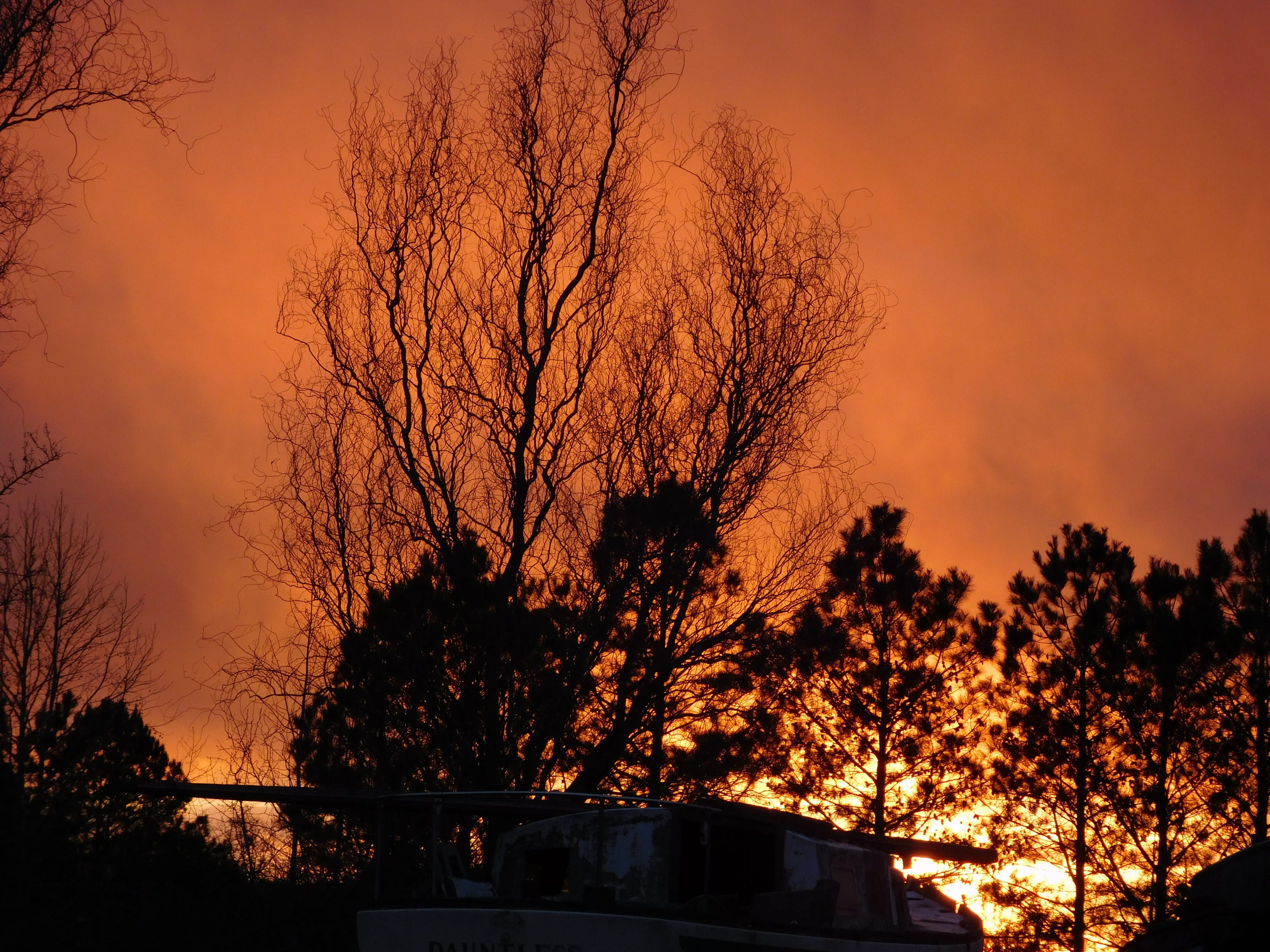
2016 was a mighty powerful year. Last time I stepped on an airplane, first time I ever had shingles, the disease from hell… first year when this land was to be my land… and I was here to stay. I wrote this then:
#DO NOT MOW #DO NOT CUT
#DO NOT KILL
My grandfather always said to me
do not squish the bug, the friend,
the butterfly, the enemy,
learn instead
to live with them.1
For the full text and photos click on:

In one of my more recent posts I talked about the death of the sailboats that inhabited this space. Lack of money for removal created the necessary illusion of beauty in time, of old sailboats to frame never ending, magnificent Eastern Shore sunsets.
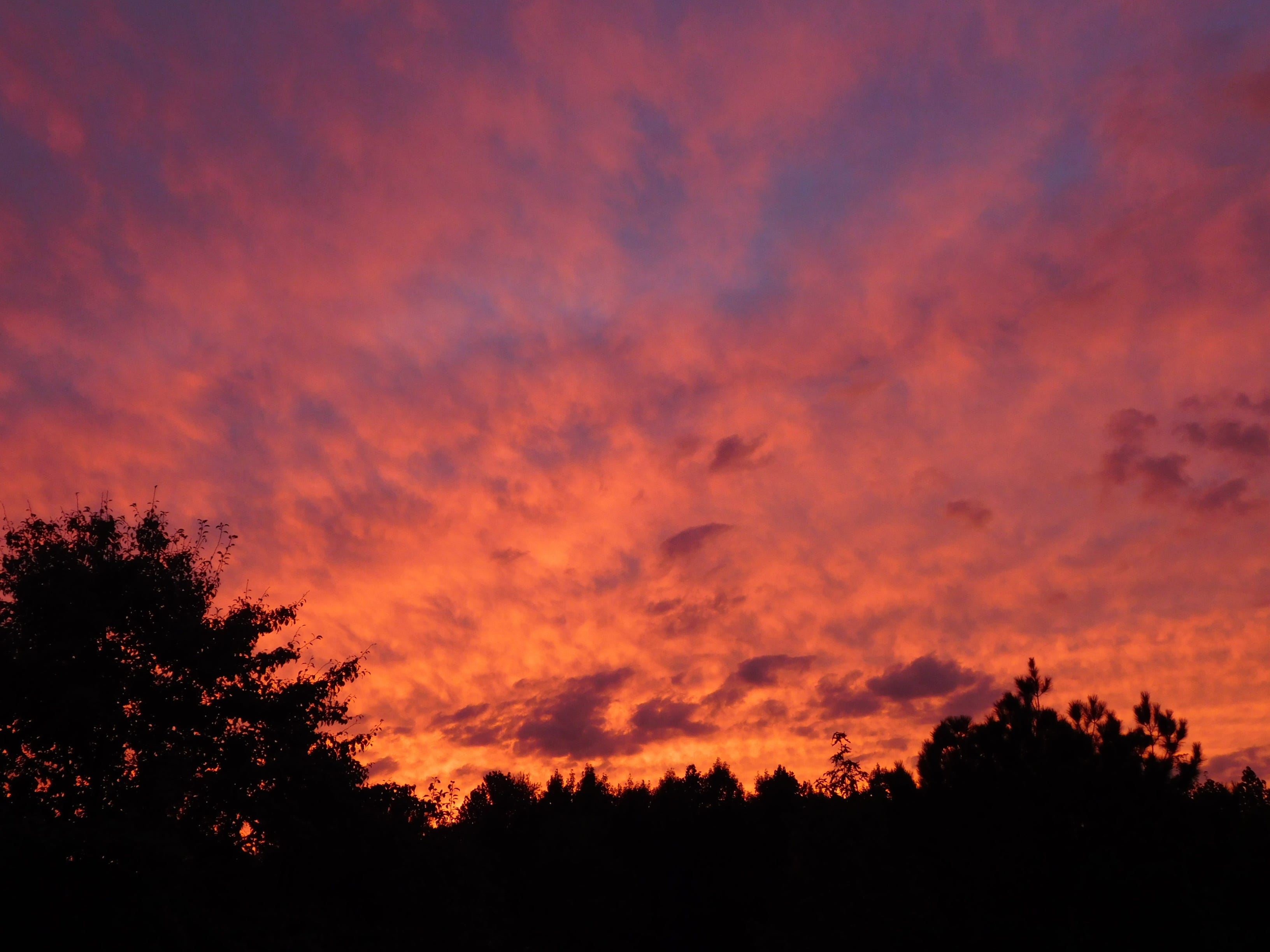
Twenty some years of decaying sailboats - gone, to leave behind a loud, but tortuous landscape. For some weeks now, I try to listen to what that tiny piece of land might have to say. In there, chopped in half by the mighty machine and their handlers, squished by weight and time we have:
Moss, moss, no visible lawn fescue, just a tiny patch of kindly soft grass, a fair sized oak, bent and laced with Japanese honeysuckle, side by side with two non native willows. The tortuosa one or Corkscrew Willow (Salix matsudana 'Tortuosa') I planted from a twig, some twenty five years ago is further away, alive and thriving in the moisture. Three or more white or red oak seedlings, one to two feet tall. Tis’ the season for oaks here, time for their season of light? None existed, except for the willow ones, way out in the back forties… Now more than thirty, forty, one hundred spread across three acres, breaking free from the shade?2


A sycamore, surprise in the distance, just about ten feet tall. Mulberries, and much poison ivy.
We placed the boats there then because it was sturdy territory, in a land of mud. Yesterday someone asked me if there was enough top soil for growth? Someone suggested a service that transported soil to location. Someone suggested an alternative parking space to ease the flow of vehicles… Someone expressed disgust over the mess.
A slow plan emerges where switchgrass3 (Panicum virgatum) finds a patch, where blue mist flower4 surrounds, framing the surviving pioneers, self seeded perennial Black-eyed Susans that sprout everywhere here, but only establish themselves in a few places… that place is one of them. A few small patches of Queen Anne’s lace are already there this year… maybe they decide to stay. It is an imagined soft palette of light shimmering green of native grasses, blue of fall mist and yellow, with some splashes of white. It will take slow work and much patience.
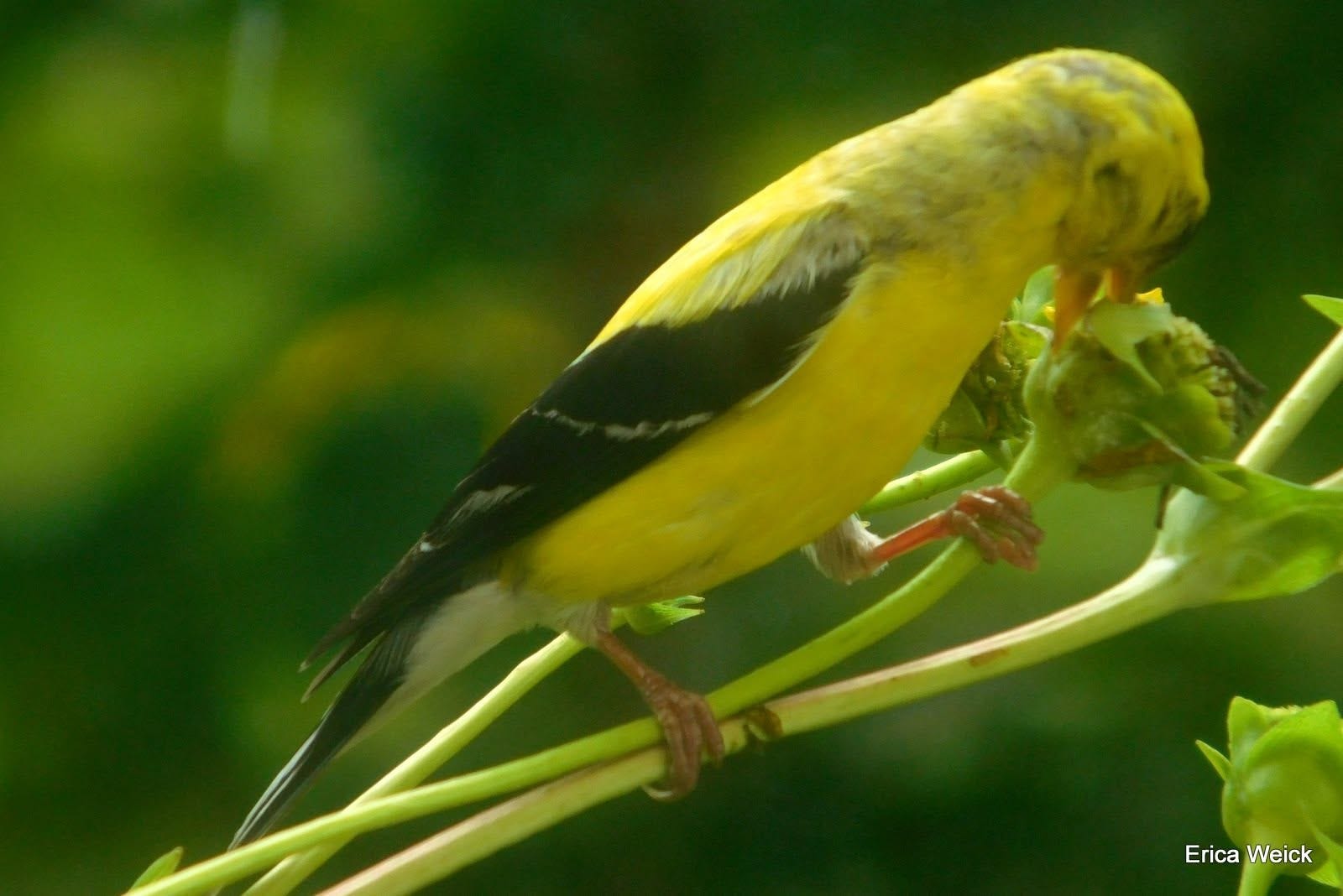
For good measure a few cup plants might also find a place there. Originally from the prairies of the Midwest and now part of this landscape for more than twenty years. A colonizer of neglected spaces, provider of food for butterflies, birds and worms, and a nifty source of water in drought.
And replaying from the footnotes:
What a joyful idea that we might end up with an oak forest, slowly replacing the pioneers… still inside my lifetime!
Upside down rise to create mountains and waste, washed down eastern shore land fill… and still home, even home to some old poetry.
Nothing perfect about the Eastern Shore

There is nothing going on.  No continuity, no structure.
Nothing here is ever the same.  Nothing here ever pans out.
Alluvial flat and plain wasteland.

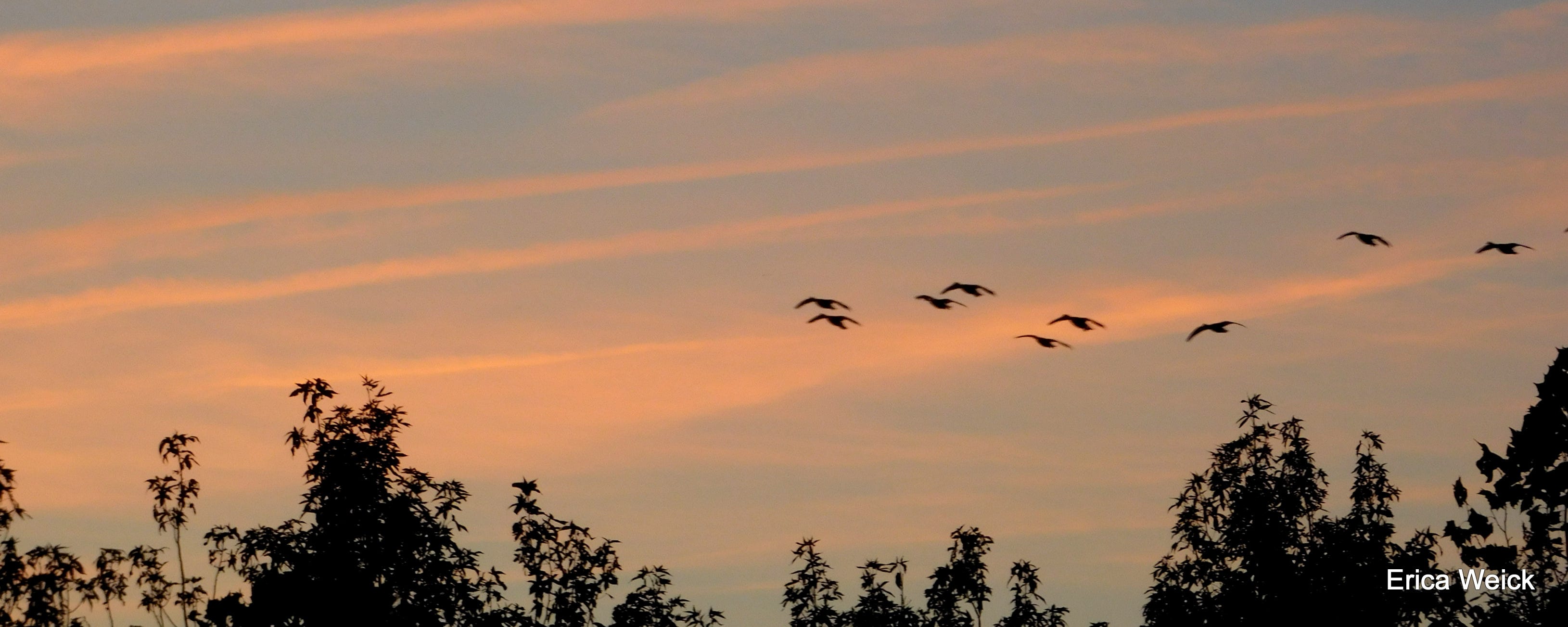
Sunsets most of all are never the same,
none of the Caribbean certainties,
none of the expected beauties of Malawi
every night there in high territory rarefied air,
sundown cocktail, prayer, meal,

Nothing here ever pans out.

Except that, every day of twilight,

the earth and the sun roll over the sky,
backward and forward
like a cozy-hot ball
in play
bay boats float above inside
sail and motor captains and capitaines
in spite of watery mountain
wave to each other in cheer

In winter travels, from right to left the sun,
midnight dusk and fog horns around lighthouses,
driven cows and endless soybeans, silver babies about rivers,
flicker pods in rusty waters and mud frog faces
peek at you in mornings.

Sun after sun, day after day,
the set of sun to rise
every time new,
to moon over the creek.

Travel, picture, a moving theatre,
a circus in new paradise.

(Nothing here is ever the same,
not even the love for the shore,
not even the love is the same.)
All this talk about land brings me back to the homeless, the refugees, the ones without land...and the endless promises of milk and honey to be extracted from the land...and all the houses to be extracted from the trees...and from the mineral juices from underground...
A note to you: Thank you for reading me! Even if out of sequence from my usual posting days.
I never met any of my grandfathers, so my actions tend to reflect my own vivid imaginings.
What a joyful idea that we might end up with an oak forest, slowly replacing the pioneers… still inside my lifetime!
I bought 50 seedlings from Environmental Concern, years ago, before they moved out of St. Michaels, never planted them. Every single one survived in pots, waiting for the right place!!
Eupatorium coelestinum, a native perennial that dies down in winter to emerge and spread nicely in summer. A major source of food for butterflies in the fall.
Very nice, Erica, the poem especially.
I'm curious about the cup plant. I was of the impression it was native to the Eastern U.S. Similarly, I'm intrigued by the Eupatorium coelestinum. I planted giant mountain aster about a decade ago thinking it was indigenous to the region, but I believe I was wrong about that. Due to annual infestations of lace bug (not lace wing) it has never done "well" here. I might try blue mist flower instead! Thanks for the ideas.
Beautiful